Read on to learn what is B2B sales (business to business sales), what B2B sales meaning is, and why it's important for business owners to focus on B2B sales.
What is a B2B company? We're glad you asked. In the B2B business model, a business sells goods or services to another business. Learn how it all works here.
Wondering about the differences between B2B vs B2C? This blog post covers what are B2B and B2C, their meanings, and how the two terms differ. Learn it all here.
An inventory audit is necessary to control your inventory. We'll help you understand how this works and what audit procedures for inventory you should use.
Economic order quantity is the optimal amount of product to order without your holding costs going up. Learn more about EOQ and how to use it in this post.
If you've heard the term shrinkage recently, you're probably wondering, "What is shrinkage?" Inventory shrinkage covers multiple forms of waste. Learn more now.
Having a reliable inventory management process is vital for any physical products business. If you don't start early, your profits will suffer. Learn more now.
Inventory carrying cost is a big deal. Cutting it is a bigger one. This post offers a carrying cost formula and effective ways to reduce this unwanted expense.
Average inventory formula and cost will help you determine how much ending inventory you should have and how much it’ll cost. Continue reading to find out how.
Inventory tracking is pivotal to inventory control. If you don't have an efficient inventory tracking system in place, you'll suffer. Master the essentials now.
Inventory costing methods—AKA inventory valuation methods—put dollar amounts on your stuff. That's crucial to your company's financial health.
Days inventory outstanding is the average number of days inventory sits before being sold. Use our inventory days formula to calculate days inventory outstanding.
Common knowledge states that an inventory turnover rate below 5 isn't very good. Learn how to calculate inventory turnover ratio for your business here.
Pipeline inventory, AKA in transit inventory, or goods in transit, is a crucial part of inventory management. Learn how to manage it with the strategies here.
Consignment inventory is goods placed in a store for sale, but ownership remains with the supplier until sold. But, how does it work? Read more in this blog.
Finished goods inventory is the last and arguably most important piece of inventory control. Learn how to calculate finished goods inventory right here.
VMI, or vendor managed inventory, is an agreement between vendors and buyers to share a little risk, a lot of data & the spoils of inventory management glory.
Dropshipping is a useful and cost-saving method of order fulfillment. But, what is dropshipping and how do you do it? We can answer that.
If you work with wholesalers, you've probably asked, "What is raw material?" Raw materials inventory is any item or product that's used to make a finished good.
Work in process inventory is everything your business is using to produce a finished good. It can be a double-edged sword, though. Learn how to use it here.
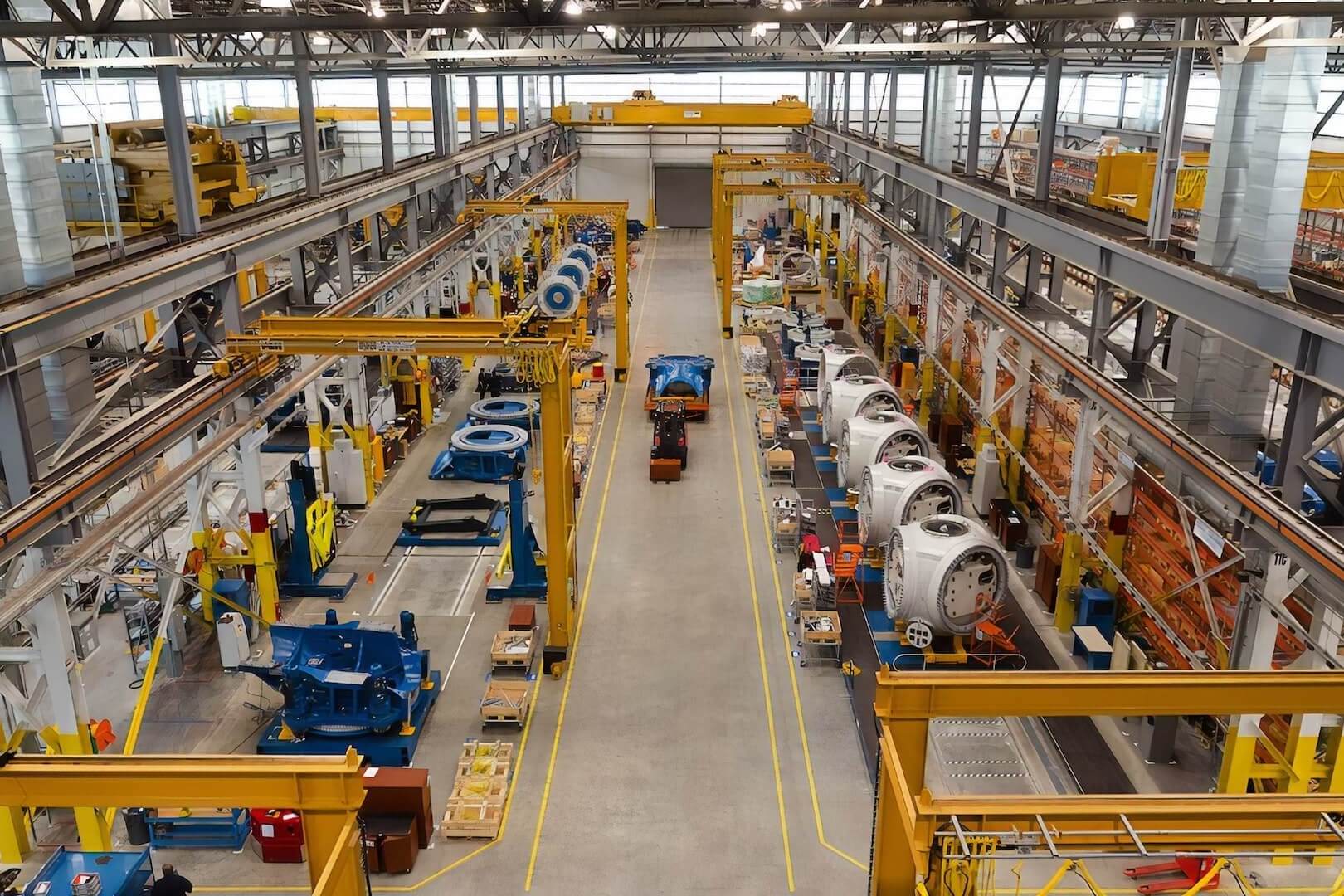
Manufacturing inventory can be complicated. It's smart to use manufacturing inventory software to simplify the work you need to do. Learn more about it here.
Merchandise inventory is the value of goods in stock that are ready to sell. Read now to learn about what merchandise inventory includes in this article.
Route optimization software is central to the efficient use of transportation resources. Discover why it's so essential for B2B wholesalers and business owners.
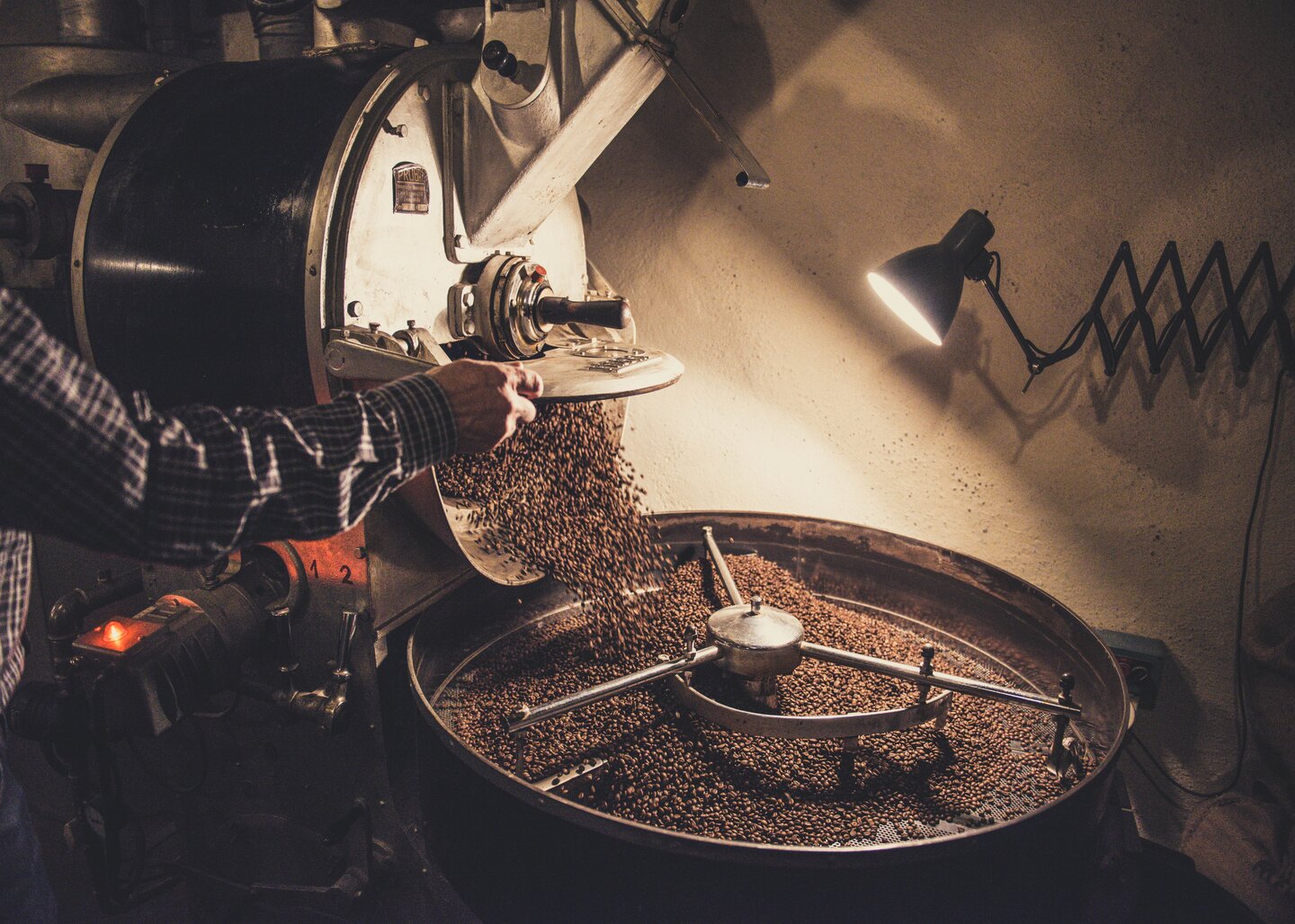
Here are 2026's best coffee roasters in the U.S.—nationally and by city. If you're looking for a coffee supplier or just a coffee lover, we've got you.
BlueCart is celebrating an amazing milestone, thanks to all of our amazing customers!
BlueCart, innovative B2B eCommerce platform for the wholesale food industry, acquires Binwise, beverage inventory management solution for restaurants and bars.